Author Archives: david

Public consultation on flooding issues on Howth Peninsula

Drop  in to Howth Yacht Club between 4pm and 7pm on Wed 17th.

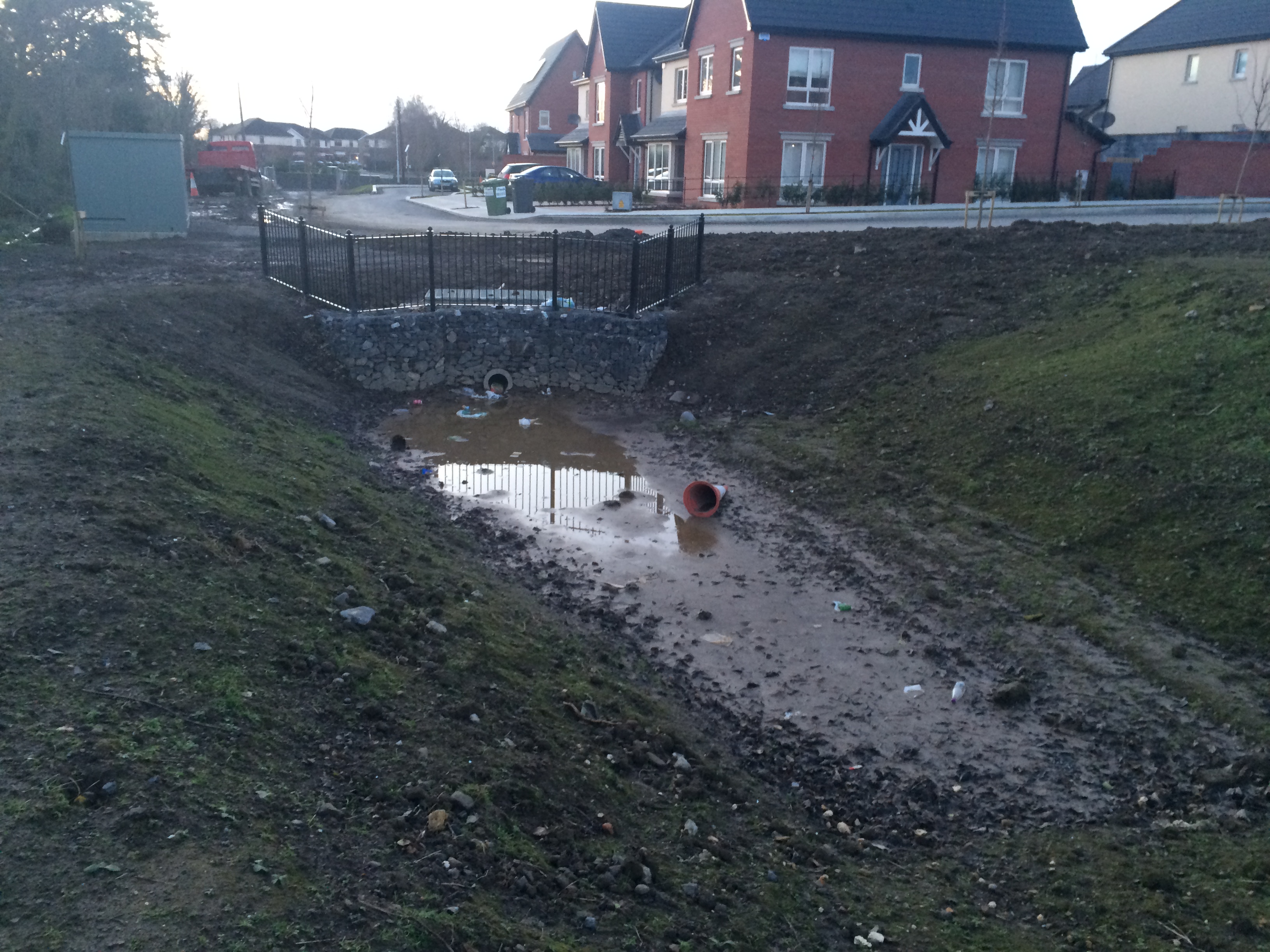
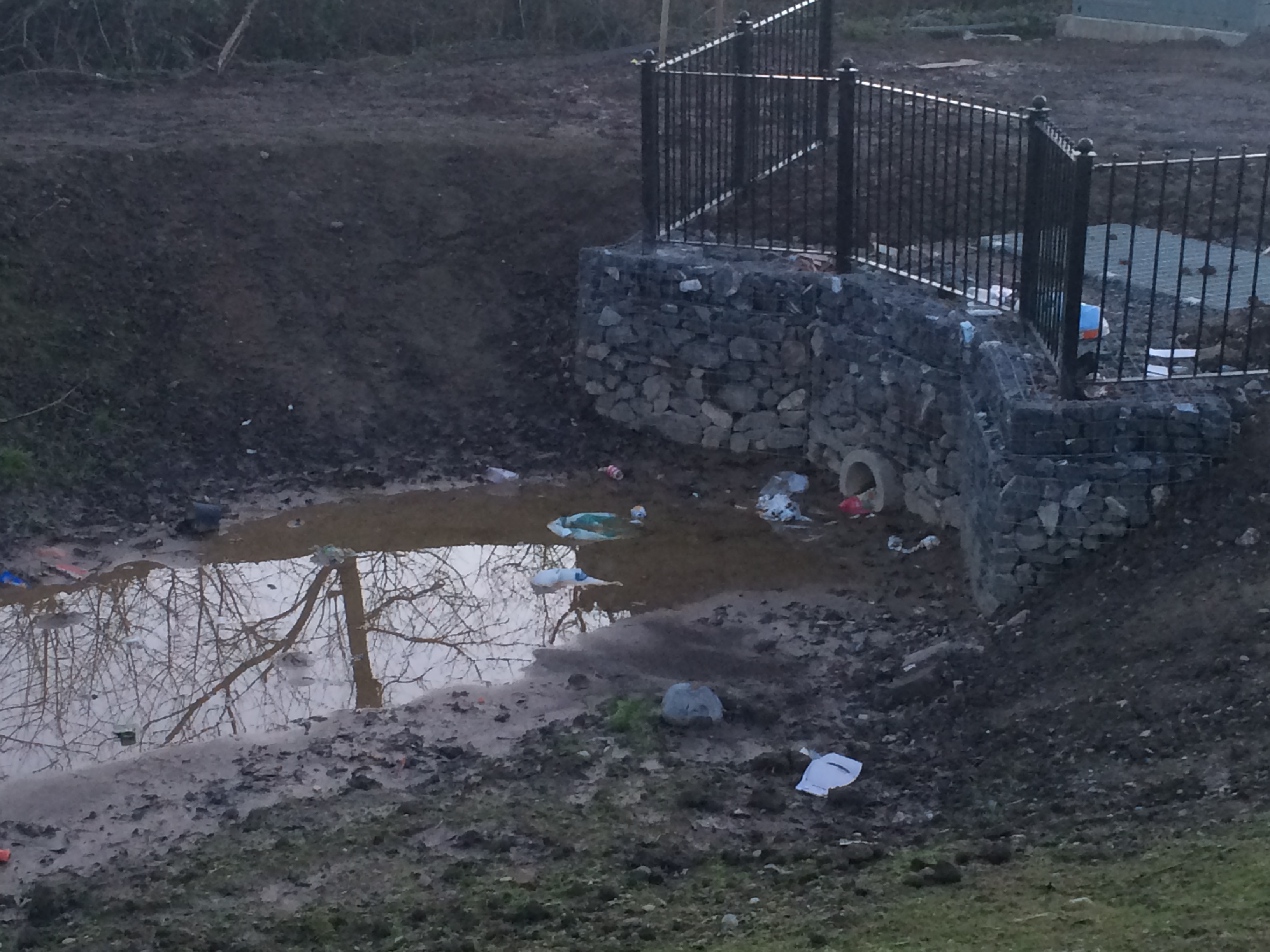
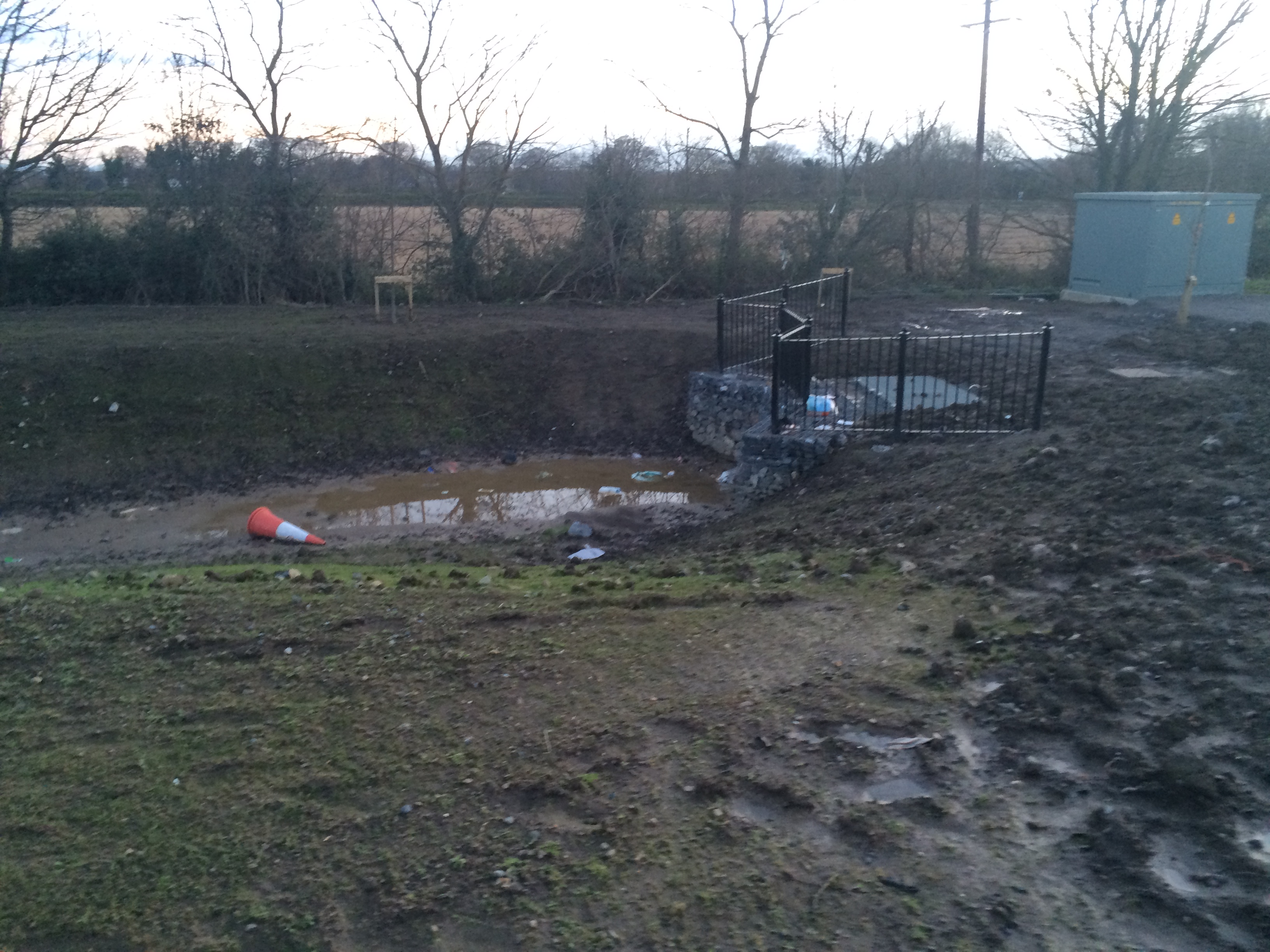
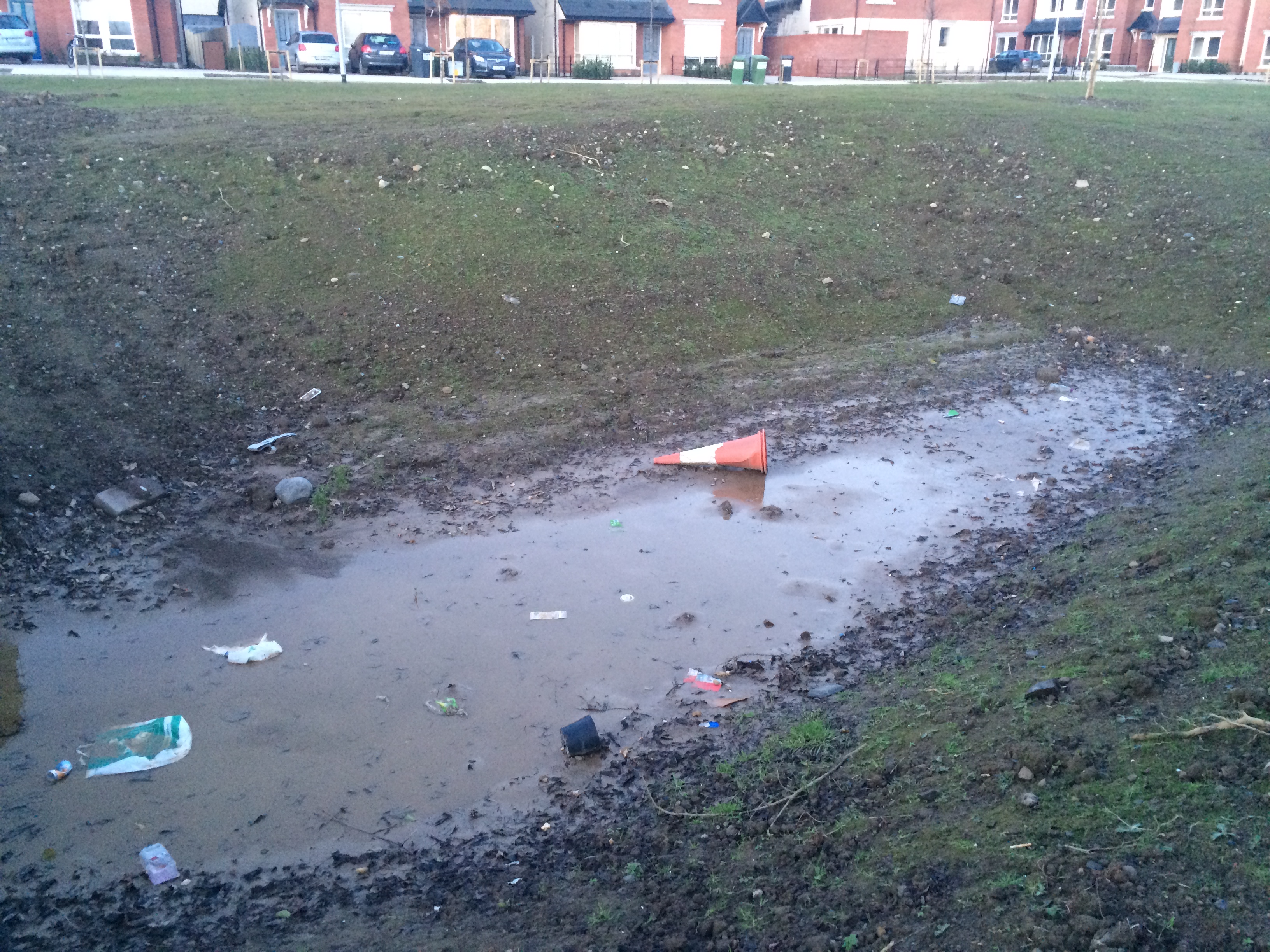
Fingal County Council are hosting a stakeholder and public consultation meeting to obtain views and other important information in relation to flooding on the Howth peninsula. The area of interest extends to the entire peninsula of Howth and includes flooding arising from storm water drains and streams.

Relevant stakeholders and members of the public are invited to attend to make their views known and to discuss issues. The design team (Byrne Looby PH McCarthy) will be on hand along with relevant representatives of Fingal County Council. All comments received will be considered in the development of possible flood mitigation measures.

Howth FRS – PCM notice board ad_v0


Submission to pre-draft stage of Fingal County Development Plan

Sustainable Development

The approach in the consultation document which envisages putting sustainable development at core of plan is very welcome. It is excellent that the plan is being developed by a process of policy analysis; this should integrate strategic environmental assessment from the start.


Public Health

The process of policy analysis building on environmental sustainability needs to fully include public health considerations. Health is briefly mentioned in the context of parks/green infrastructure in the consultation paper and there is some welcome discussion in the transport working paper. The analysis needs to go further and a Healthy Fingal should be a central goal of the Plan. Some years ago a major “Healthy Cities” project was run in Dublin; there must be lessons from that which can be incorporated in the plan. The Institute of Public Health in Ireland has also produced guidance on public health in the planning process.


Climate Change

The emphasis on climate change is strong which is appropriate and welcome. There is an understanding expressed in the working paper suggesting that adaptation is highly relevant to local government whereas mitigation isn’t fully relevant. This is not entirely accurate.


Climate Change Mitigation and Local Economy

Climate change mitigation requires fundamental changes to many areas of society and economy and local government faces this challenge in every area of its activity. Additionally, the local economy and local enterprise roles which Fingal and other local authorities are taking on needs to be integrated with the transition to a low-carbon economy and the opportunities presented by the green economy.


Learning from best practice on Climate Change

The Intergovernmental Panel on Climate Change (IPCC) provides a comprehensive overview of many areas of research relating to climate change including research on adaptation and mitigation and is an essential resource in developing local strategies to prevent and respond to climate change. Working Group II of the IPCC’s Fifth Assessment Report deals with Impacts, Adaptation and Vulnerability[1] and Working Group III deals with Mitigation[2]. In particular, the chapters on Energy Systems, Transport, Buildings, Industry, Human Settlements, Infrastructure and Spatial Planning, and National and Sub-national Policies and Institutions will be relevant to Fingal’s Development Plan.

Fingal should engage in the international cooperation of local authorities facing the challenge of climate change mitigation and adaptation, such as by joining the Covenant of Mayors referred to in the climate working paper, the International Council on Local Environmental Initiatives, etc.


Climate Change and Green Infrastructure

Fingal has already demonstrated itself a to be leader in thinking about green infrastructure and local biodiversity. Green infrastructure and the climate change mitigation and adaptation are intimately related. This is detailed in a report “Ireland’s Biodiversity: Our natural ally in the fight against climate change from the Irish Environmental Network[3]. Aspects of particular relevance to Fingal include the consideration of climate mitigation and adaptation in coastal zone management.


Walkability

The first objective of transport as well as of spatial planning should be to create walkability. Too often high density is assumed to automatically create walkable communities. Impermeable layouts destroy walkability despite favourable densities. Street and road designs which are hostile, unsafe and unpleasant for pedestrians do the same. So walkability needs to be the first stated goal for both transport and spatial planning.


Cycling

The Development plan should incorporate Greater Dublin Area Cycle Network Plan and set out a timescale for delivery.  It should also commit to high quality road and street design to promote and facilitate cycling, learning from best practice elsewhere.


Parking

The Transportation and Movement issues paper fails to consider parking, long recognised as a key issue in generating car-oriented environments and reducing proximity.


Energy

The inclusion of an Energy working paper is very welcome, acknowledging the nature of the challenge for energy transition which we face. The recognition in the working paper of our renewable energy past (wind; tidal power also deserves a mention) is a good reminder worth carrying into the Plan itself.


Energy Efficiency

In considering energy in the Plan, the primary importance of energy efficiency should be emphasised. The suggestion in the working paper of requiring passive house or similar standards where appropriate is excellent and should be developed in the draft Plan.

Most of Fingal’s existing housing stock, unfortunately is not energy efficient. The Plan should consider what Fingal can do, directly and indirectly, to bring the existing housing stock up to much higher standards of energy demand and ventilation. This would bring about great benefits in improving public health, addressing fuel poverty and social inclusion and reducing energy demand and associated emissions.


Renewable Energy

All forms of renewables including solar water heating and photovoltaics should be considered in the plan. In developing the plan, the Council should look at experience in Ireland and elsewhere in mandating renewable energy, e.g. the requirement for solar water heating[4]. The examination should consider what are the most effective and cost-effective means currently for using renewables to meet energy needs and how the Development Plan can promote the necessary changes. The recognition that the Plan needs to support innovation in the transition to sustainable energy is very welcome; the same openness to innovation should also be reflected in other areas of the plan including water and wastewater management.


Coastal erosion

The development plan needs to reflect a considered approach to addressing coastal erosion, identifying principles for prioritisation of resources and balancing of competing objectives taking account of all costs and benefits of various options.


Use of green belts

Green belts have been a central element of spatial planning in Fingal and have been very successful in ensuring credible development boundaries. However while correctly excluding a wide range of development uses, the Council has not always identified positive uses for greenbelt land. In some instances, such as between Portmarnock and Malahide and, to a lesser degree, between Baldoyle and Portmarnock, this has been done, with great success. The Plan, recognising their importance, should consider the best use for all green belts including meeting green infrastructure objectives, meeting demand for allotments and parkland, providing for local bioenergy, and performing a range of ecosystem functions.


Sustainable building

The recognition in the Energy working paper of the value of zero-carbon or low energy building standards such as Passive House standard is very welcome.

Other important elements of sustainable building should also be reflected in the plan.

The embodied carbon of buildings as well as the other impacts of buildings in terms of material sustainability of construction should be addressed.

Similarly design for adaptive re-use and for deconstruction and reuse/recycling should also be driven by the plan.

Policies such as adopted in many cities which require green roofs or solar roofs should be examined.[5]


Water and waste water management – surface water, rainwater, separated waste water

Although water supply and waste water treatment policy is unfortunately now handled by Irish Water, Fingal retains important functions.

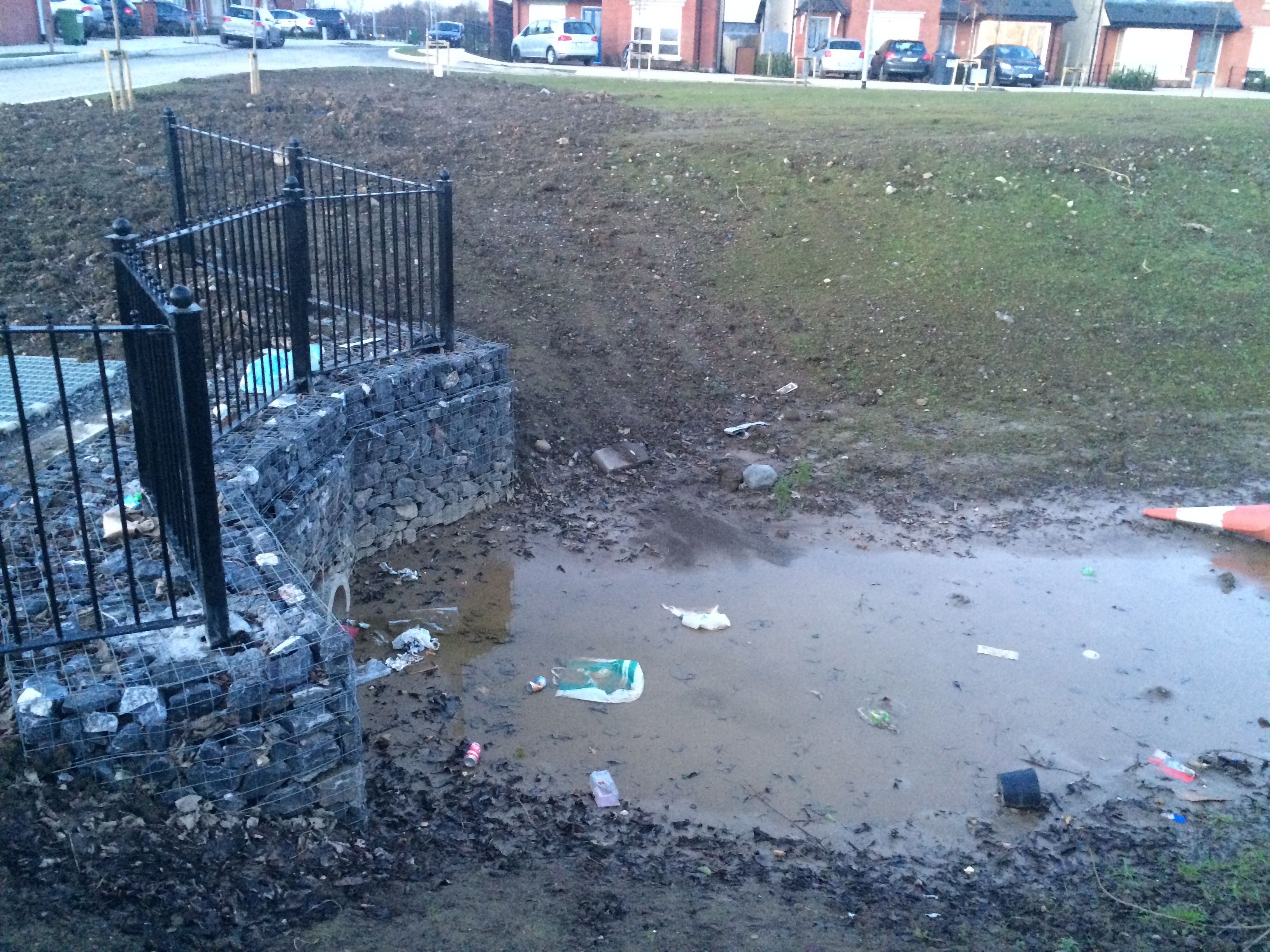
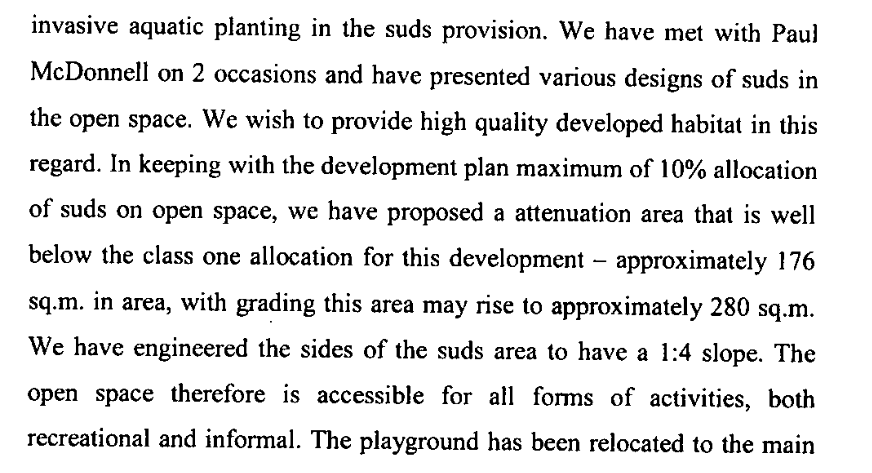
Surface water management has reflected a ‘Sustainable Urban Drainage’ approach for some time now. However, although the possibilities for integrating SUDS and green infrastructure have been recognised by the Council, they are rare in practice and should be driven through the development plan and planning consent processes.

In approving developments, Fingal should drive the use of rainwater harvesting.

Similarly Fingal should be open to innovative approaches to waste water including separation of different streams (grey water, urine, black water) in particular with a view to reducing the environmental impact of treatment and the potential for nutrient recovery. In approving large developments where separate streams would currently be mixed, consideration should be given to ensuring they are capable of being retrofitted in future for separation.


New developments

Fingal can learn a lot from experiences, positive and negative, of large scale developments in recent years.  The Plan should reflect the commitment which the Council has to making all residential and mixed use developments work, including multi-unit developments and should empower the Council to take a pro-active role to resolve difficulties.

Developments must provide for mixture of unit sizes so that a range of household types can live in an area and that people are not obliged to move away just to find housing adapted to their household size and makeup.


Finally, three areas where the Development Plan must be informed by learning from our mistakes.


Phasing of development

The bursting of the property bubble was accompanied by a realisation that phasing of development had been allowed without accounting for the possibility that it could be interrupted, leaving essential elements of infrastructure missing. Fortunately many parts of Fingal were not as badly situated as parts of other local authorities. Nonetheless there were and remain significant and severe problems due to the abandonment of originally phased developments.

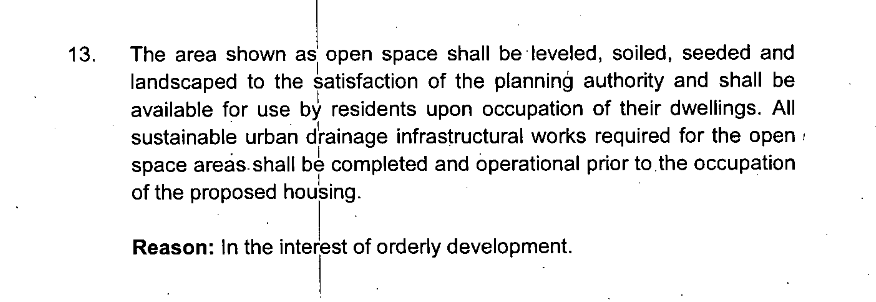
The Plan must set out a clear policy which will ensure that interruption of development will not leave the citizens of Fingal as a whole or residents of new developments in particular without facilities and amenities which the planning system and Development Plan have identified as essential.


Clarity

The plan needs to be vetted for clarity. Ambiguous terms must be avoided. Novel terms must be defined. The previous Plan contained objectives for “integrated tourism and leisure complex[es]”, something which was never defined in the Plan. It was quite a shock for those familiar with this objective and especially the Councillors who had agreed to its inclusion in the Plan when Fingal granted a planning application predicated on an interpretation that a hotel met the definition of an “integrated tourism and leisure complex”. Fortunately the first such permission was reversed by An Bord Pleanála following an appeal by local councillors. Unfortunately the second such interpretation at a different site was not appealed.

In order to avoid this sort of scenario, clear and unambiguous terms must be used, and definitions (consistent with ordinary usage) should be provided for the avoidance of doubt.


Enforcement

The Plan should set out an enforcement policy. Unfortunately the experience of many Fingal residents is that the Council is unwilling to enforce planning rules in many instances. Many residents find themselves doing the Council’s job in taking action to get planning laws enforced and this is not good enough.


Cllr. David Healy

15th May 2015


54, Páirc Éabhóra, Beann Éadair

087 6178852

www.davidhealy.com


Submission to Fingal Local Economic and Community Plan

 My submission to the consultation on the Fingal Economic and Community Plan makes the following points:

1. The plan needs to be based in Sustainable Development, i.e. meeting the needs of the current generation without impairing the ability of the planet to meet the needs of future generations.

Ireland committed to following a sustainable development path in Rio in 1992. The current sustainable development framework for Ireland Our Sustainable Future reaffirms that commitment and sets out in some detail the challenges we face. Importantly the Taoiseach and the then Minister for the Environment emphasised the role of all sectors of society and all elements of government:

Our Sustainable Future provides a platform for a joined-up approach to policy-making across all sectors to ensure cohesive, rigorous and soundly-based decision making. Ultimately, sustainable development is about ourselves, the degree to which we manage our resources and value our natural environment as we move forward as an economy and as a society.

This framework charts a way for us collectively – Government, at its various levels, and civil society, in its many components – to meet this challenge.”

An Taoiseach Enda Kenny, TD

Decoupling environmental degradation and resource consumption from economic and social development is an enduring challenge in Ireland as elsewhere and requires a paradigm shift in our approach to future development. The ‘business-as-usual’ approach will not suffice; we require a major reorientation of public and private investment, particularly in terms of innovation, research and development in those areas where we need radically new approaches. We need a more developed “green economy” focus, achieving a more mutually supportive interface between environmental protection and economic development, while also ensuring that our approaches are socially sustainable. Our Sustainable Future is premised on this and the measures contained within it are designed to position us firmly on the desired path.

Getting there will require the support and engagement of all sectors of society and I see the effective implementation of this framework as a key challenge.”

Minister for the Environment Community and Local Government, Phil Hogan, TD

The current Minister for the Environment is equally clear about the central role sustainable development must plan in our planning and governance:

Sustainable development is the critical global issue of our times, and provides the solution to so many of our environmental, economic and social challenges. It is the bottom line for our planet and needs to be integrated into every decision that we make about how we organise and develop our society. For us here in Ireland, we must face up to this imperative by setting our environment and our economy on a path compatible with a sustainable future.”

Minister for the Environment Community and Local Government, Alan Kelly, TD

Taking this policy context, the proposed goals fall far short of what is required. They do not even mention sustainable development, not to mind putting a sustainable development analysis at the core of the plan. The plan should acknowledge the enormity of the challenge we face in transitioning to sustainability and use sustainable development as an analytical framework to develop the goals and actions to be included in the plan. This means identifying the needs to be met and then exploring how to meet those needs in a sustainable fashion.

2. In the Green Economy area there is a wealth of analysis which should be drawn on. In particular, the Environmental Pillar has developed detailed recommendations which should be considered for application in Fingal.

The plan should draw on experience of local authorities in other countries in driving transition to the Green Economy, including through enterprise policies and supports, local taxation, public procurement, planning requirements, etc. A good starting point for the experiences of a wide range of local authorities is the International Council on Local Environmental Initiatives.

3. The process for making a submission is unnecessarily complex. It should be possible to make a submission by email. In addition, although the closing date is today 22nd April, I found this evening that the website has already closed. The consultation also falls short in that there is no explanation of the origin of the 18 goals proposed for consultation.


Green Councillor condemns Irish Water’s illegal sewage outflow onto beach

​Cllr David Healy says EPA must prosecute Irish Water for licence breach

Wednesday 15th April 2015, Dublin.
Howth/Malahide Green Party Councillor​ David Healy ​has today called on the EPA to prosecute Irish Water for the ongoing sewage discharge into Doldrum Bay, Howth.
​The discharge licence given to the Ringsend treatment plant in 2010 required that the Doldrum Bay discharge be ended by December 2011​. However, Irish Water now says that it wants the licence reviewed to allow the discharge to continue.​
​This discharge from a small residential area flows straight onto the small beach on the south side of Howth. Local people have put up a fence​ to warn walkers and swimmers.
Cllr Healy commented: “The EPA have failed for 4 years to enforce the condition of the licence. It is particularly shocking that Irish Water now wants to deal with the situation by removing the licence condition requiring it to stop discharging sewage onto the beach.
“The Government have repeatedly assured the public that Irish Water is needed to guarantee investment in prevention of water pollution, but in this instance they are clearly attempting to circumvent their responsibilities. The harsh reality seems to be that Irish Water is looking to save money by getting permission to pollute our beaches. I’m calling on the EPA to immediately move to prosecute Irish Water for this ongoing breach of its licence.”
ENDS 
 
​Notes:​
This is a longstanding discharge from a population of about 100 people on the south side of Howth. Location: 53.364089, -6.070370​. The pipe discharges directly onto the stony beach.
When the Ringsend sewage treatment plant received its discharge licence in July 2010 one of the conditions was that the Doldrum Bay untreated outfall be ended by 31st December 2011. (Licence D0034/01 http://www.epa.ie/licences/lic_eDMS/090151b280382dc0.pdf  Condition 3 / Schedule A.3)
​Fingal County Council sought funding from the Department of the Environment to end the discharge but no funding was allocated.​
However, Irish Water have now decided to try to leave the discharge. In their Annual Environmental Report (AER) for 2014, submitted to the EPA last month, they acknowledge they have done nothing to comply with the licence condition and say:
“IW are seeking that the Doldrum bay discharge is to be considered as a secondary discharge within the Ringsend agglomeration discharging to coastal waters (not sensitive waters) with a greater than 70% reduction in BOD, IW will prepare and present a case to the EPA in this regard as part of a license review.”
 
For comparison, the previous AER, submitted by Dublin City Council in early 2014 said:
“The discharge into Doldrum Bay, secondary discharge point S4 Fingal, has not ceased and did not cease by 31st December 2011. Funding for the construction of the scheme,estimated at €1.5m, was not included in the Water Services Investment Programme (WSIP) 2010-2012. However, it was approved to move to planning stage under the Portmarnock Drainage Scheme in the 2010-2012 WSIP.
 
“Fingal County Council retained Consultants to investigate options for halting the discharge. The preferred option was two small pumping stations to transfer the effluent ultimately to Ringsend WWTP. An Options Review Report was submitted to the DoEHLG in Aug 2012. It was rejected by the DoEHLG in August 2013.
 
“A Business Case has been made to Irish Water to proceed with the preferred Option.”

NTA consultation on public transport in North Dublin

The NTA is carrying out a public consultation on a North Dublin Tranport Study. At today’s Council meeting I made the following comments:

  • the study should evaluate linking the rail route options  with the Northern rail line near Donabate (in the list of options to be appraised, some link across while others seem to stop in the fields just north of Swords.)
  • similarly, connnections between bus and rail should be made wherever possible (e.g. the proposed Malahide Road to Tallaght Bus Rapid Transit (BRT) route should start at Clongriffin Station, not 1km away from it.)
  • the appraisal criteria should include the impact of each option on the quality of urban spaces, the potential which it would open for pedestrianisation etc.
  • the appraisal should also include the impact of the option on cycling; the design recently put to consultation for the Swords BRT would create a lot of risks for both cyclists and pedestrians by making them share the footpaths.

The public consultation is open until 19th January.


Consultation on ‘coastal’ cycle route Baldoyle-Portmarnock-Malahide-Swords

An information evening is being held at Baldoyle Library between 15:30-19:30 on Thursday 11th December, 2014.

Plans and details of the proposed scheme will be available and Fingal staff will be present to provide further information on the project 

The proposed route will continue northwards from the existing Sutton-to-Sandycove route via Baldoyle and Portmarnock through Malahide and along Estuary Road to Swords.

The application is currently being prepared including the required Natura Impact Statement. It is intended to lodge the application for approval to An Bord Pleanala in early 2015.

Unfortunately the current plan seems to be to put the cycleway/footpath on the land side of the Baldoyle-Portmarnock Road. This would both fail to create the coastal cycleway as desired and fail to use the opportunity to improve flood defences.

I have argued that the existing carriageway should be moved inland to allow the cycleway and flood defences to be built without encroaching on the estuary.

Following input from Councillors, it is intended to also hold information evenings in other locations along the route but these have not yet been arranged. Here is the notice for the Baldoyle consultation.


Local election campaign / Feachtas um toghcháin áitiúil

David is the Green Party/Comhaontas Glas candidate in the Fingal County Council elections for the Howth/Malahide Area.

Tá a bhileog um thoghcháin ar fáil anseo. His election leaflet is here.

Most of the material archived on this website is from David’s time on the Council from 2004 to 2009; you can get a good idea of the issues and his record as a Councillor by searching or browsing the website.

David is an environmental professional with a degree in Law and a masters degree in Environmental Science. He works as Policy and Advocacy Officer with Oxfam Ireland, focusing in particular on the impact of climate change and biofuels on developing countries.

He has served as a Councillor for two periods: during the 1990s he campaigned against the rezonings later investigated by the Mahon/Flood Tribunal and promoted the Howth Special Amenity Area Order; from 2004 to 2009, he was successful in achieving strong energy efficiency standards for new developments and promoting the provision of children’s playgrounds.

If you would like to raise any issue with David or if you can help with the election campaign in any way please contact him at 087 6178852 or verdire@gmail.com

Biodiversity survey of Howth Head

Howth is one of 4 locations in Ireland for the 2014 Bioblitz, a 24-hour voluntary biodiversity survey which the public is invited to participate in.  More information on the event which runs from 5pm on the 23rd May (the day of the election ) until 5pm on 24th May is here.